Weekend Bite Snapshot
Start with inshore trout, redfish, and flounder if you want the steadiest plan, then keep the beach in play for whiting, flounder, and a cleaner-water pompano shot. Spanish mackerel are the nearshore speed bite around bait, birds, passes, jetties, and current seams, while the light weekend marine forecast keeps offshore bottom fishing realistic for boats working good structure and current.
This Week’s Top Opportunities
Start around moving water, grass edges, oyster beds, docks, rocks, potholes, creek mouths, and protected shorelines for trout, redfish, and flounder.
Start with whiting and flounder in the first trough, cuts, washouts, and beach drains; add pompano when the water is clean and bait is showing.
Watch bait, birds, jetties, passes, tide movement, and current seams for Spanish mackerel.
Work reefs, wrecks, rigs, ships, and bottom structure where bait and current come together.
Watch Report → Listen to Podcast →
Bottom Line Up Front
If you only have a short Saturday morning window, start inshore around moving water for trout, redfish, and flounder, or hit the beach first thing for whiting and flounder if the surf is clean enough to fish. Keep Spanish mackerel as the nearshore action plan, and use the light marine forecast for offshore bottom structure only if bait, current, and weather support the run.
What's Working This Week
- Trout, redfish, and flounder are the strongest overall inshore targets.
- Whiting and flounder are the steadier surf targets, with pompano possible where grass and dirty water are not ruining the program.
- Spanish mackerel are the best nearshore action bite.
- Offshore bottom fishing is supported around reefs, wrecks, rigs, ships, and other structure, with live bait especially important.
- Beeliners, scamp, triggerfish, grouper, snapper-type reef fish, king mackerel, mahi, wahoo, amberjack, and bonita were all part of this week's offshore picture.
Inshore / Back Bay
The inshore plan is the safest first move this weekend. Trout, redfish, and flounder give you several ways to catch fish without turning the morning into a fuel-burning tour of every place you have ever almost caught one.
For trout and redfish, start around grass beds, oyster beds, docks, potholes, rocks, drop-offs, creek mouths, bay structure, and protected shorelines. Look for bait flipping, birds working, slicks, nervous water, and current pushing across structure.
Early and late light can help, especially for trout. Topwater is a good search bait, but if fish are slapping at it like they are mad at it instead of eating it, switch to soft plastics, jigs, shrimp, or a popping cork.
For flounder, slow down. Fish sandy cuts, washouts, dock edges, bridge edges, grass-to-sand transitions, and places where current pushes bait along the bottom. A slow jig, live bait, or shrimp near the bottom beats racing past good water.
If one shoreline is dirty, rough, or dead, move to the protected side. Clean water, bait, and manageable current matter more than forcing a famous spot.
Surf & Beach
The beach plan starts with whiting and flounder because they forgive more mistakes than pompano. Use a simple double-drop rig, small hooks, fresh dead shrimp, Fishbites, or small pieces of natural bait for whiting.
Fish the first trough first. That deeper lane just off the beach holds plenty of fish, and you do not need to throw it to Cuba to get bit.
For flounder, work washouts, cuts in the sandbar, sandbar corners, pier or jetty edges, and places where water is draining back off the beach. Keep the bait close to the bottom and work it slowly.
Pompano are possible, but inconsistent. Better pompano water is usually cleaner green water with some movement, not muddy water carrying a salad bar of grass. Look for sand fleas, coquina, ghost shrimp, small crabs, or other bait in the wash. Fishbites, shrimp, sand fleas, ghost shrimp, and small crab pieces can all work.
If grass fills the surf, move down the beach, shorten the cast, use enough weight to hold bottom, or simplify the plan to whiting and flounder. If rip-current risk is moderate, do not wade deep just to gain a few yards. Fish from dry sand or shallow water and avoid jetties, piers, cuts, and fast-moving water unless you know exactly what you are doing.
Nearshore / Pier
Spanish mackerel are the main nearshore fish to watch. They are fast, aggressive, and usually show themselves around bait schools, birds, jetties, passes, current seams, and nearshore structure.
Good signs are birds diving hard, bait showering on the surface, small fish skipping, clean green water, and current moving around a point, pass, jetty, or structure. If the water looks alive, get a bait in it. If it looks like a swimming pool with no snacks, keep moving.
Spoons, Got-Cha style plugs, small jigs, bucktails, and fast-moving shiny baits are all good choices. Retrieve quickly. Spanish mackerel react to speed, and slow retrieves mostly give them time to inspect your leader and file a complaint.
After a strike or landed fish, check the leader. If it feels rough, curled, or nicked, cut it back and retie before the next cast.
Offshore
The offshore plan is bottom fishing first. Beeliners, scamp, triggerfish, grouper, snapper-type reef fish, amberjack, and bonita were all part of this week's deeper-structure picture, with king mackerel, mahi, and wahoo also in the broader offshore mix.
Live bait matters offshore this week, especially around ships, rigs, reefs, wrecks, and other bottom structure. If bait is hard to find or the current is wrong, the plan gets harder quickly.
Build the trip around depth, structure, current sign, and what you actually find when you get there. Reefs, wrecks, rigs, ships, and stronger current edges are the better starting points. If storms build or the water goes lifeless, shorten the plan and work the best structure you can fish efficiently.
Keep it practical: bottom structure first, then adjust to bait, grass lines, birds, or clean-water edges. The Gulf will tell you what it wants; sometimes it just uses expensive fuel to say it.
Tides & Timing
| Area | Saturday Best Tide Info | Sunday Best Tide Info |
|---|---|---|
| Gulf Shores Pier | High around 7:00 AM; low around 6:10 PM | High around 7:33 AM; low around 6:43 PM |
Best use: fish the hour or two around moving water. For trout, redfish, and flounder, set up before water starts moving across grass edges, docks, rocks, potholes, oyster beds, cuts, and shoreline current.
Weekend Weather
| Day | Fishing Weather | What It Means |
|---|---|---|
| Saturday | Southwest winds 5 to 10 knots. Seas 1 foot or less. Wave detail: southwest 1 foot at 3 seconds and south 1 foot at 6 seconds. | Good fishing window overall. Match the plan to the water you find. |
| Sunday | West winds 5 to 10 knots, becoming southwest in the afternoon. Seas 1 foot or less. Wave detail: west 1 foot at 3 seconds and south 1 foot at 6 seconds. | Another workable window. Start early and adjust if storms build later. |
Marine Safety Watch
No new local current-week marine safety headlines were confirmed.
Fuel & Marina Notes
Current fuel prices reviewed this week:
- Legendary Marina and Yacht Club in Gulf Shores: Diesel $5.639, Gas 87 $5.499, Gas 90 $5.579.
Angler Playbook
- Pick one main plan and one backup plan before leaving.
- For inshore trout and redfish, bring soft plastics, jig heads, popping corks, shrimp, and a topwater plug for low light.
- For flounder, slow down and stay close to the bottom around sandy edges, washouts, dock edges, and current seams.
- For the beach, bring small hooks, pyramid sinkers, Fishbites, shrimp, sand fleas, pompano rigs, and enough tackle to move if grass ruins the first spot.
- For whiting, do not overcast. Fish the first trough and small depth changes close to shore.
- For Spanish mackerel, bring spoons, Got-Cha style plugs, bucktails, small jigs, and extra leader material.
- For offshore bottom fishing, focus on depth, structure, current, and live bait.
- If a spot has no bait, no current, dirty water, and no signs of life, move before stubbornness becomes the pattern.
Watch video → Listen to podcast →
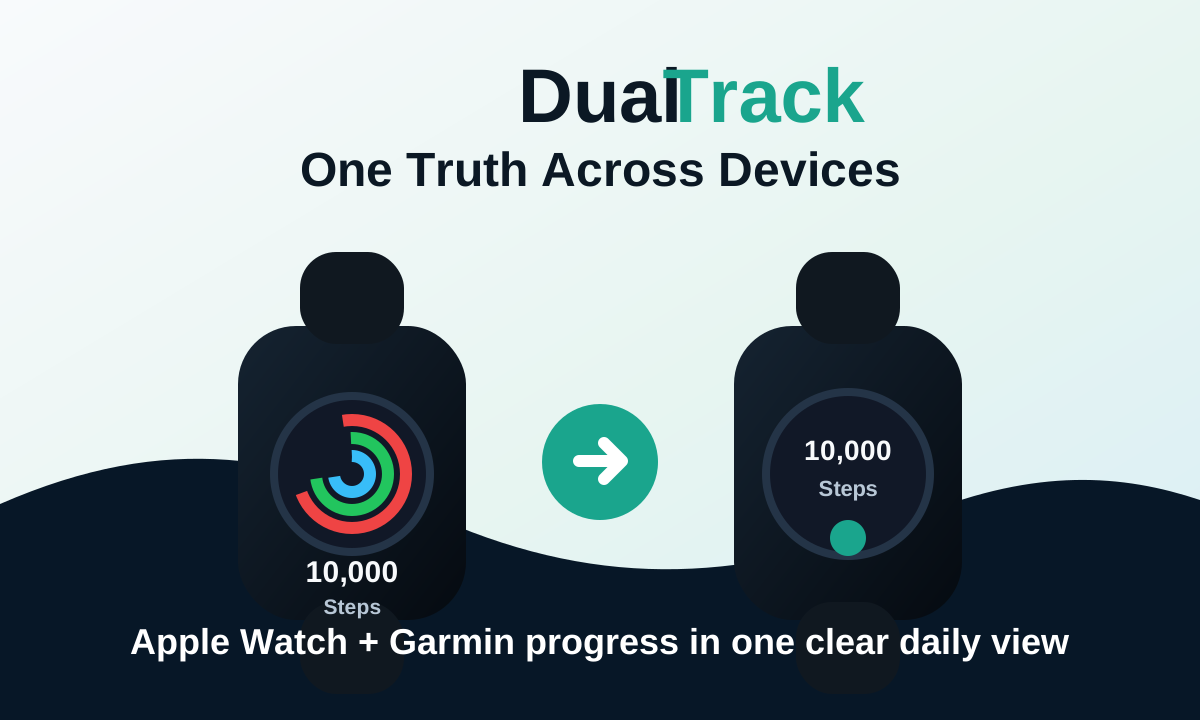
One Clear View of Your Progress Across Apple and Garmin
Life on the Gulf keeps you moving: walking the docks, loading the boat, chasing fish, working outside, and trying to stay healthy for the people who count on you. Dual Tracker helps Apple Watch and Garmin users see their steps, activity, and weight progress in one clear daily view. No more guessing which number is right. No more switching between apps and losing the bigger picture. Whether you are getting ready for a long day on the water, working toward better health, or simply trying to stay consistent for your family, DualTrack gives you the clarity to keep moving forward. Search Dual Tracker in the App Store and start tracking your real progress today.
Learn more →