Weekend fishing outlook
Coverage: Dauphin Island • Gulf Shores • Orange Beach • Perdido Key • Pensacola
Quick Answers
What is the best bite this weekend?
Plan A: Gulf Shores inshore. Start with trout, redfish, and flounder around grass edges, oyster beds, docks, and moving water. Shrimp-profile soft plastics, live shrimp, popping corks, jig heads, and a topwater plug early should all be ready.
Where does this report apply?
This weekly fishing report covers Dauphin Island • Gulf Shores • Orange Beach • Perdido Key • Pensacola.
What should surf anglers watch?
Plan B: Pensacola / Perdido / Gulf Shores surf. Fish the first trough for whiting, keep a flounder bait near washouts and cuts, and keep pompano rigs ready when sand fleas are present and the water has enough clean lanes to fish.
Is offshore fishing worth it?
Plan D: Offshore structure. Reefs, wrecks, rigs, and hard bottom deserve attention. Current offshore notes support red snapper, vermilion snapper, amberjack, scamp, grouper, bonita, and mahi around deeper structure, including roughly 90 feet of water and longer runs around 40 miles.
Gulf Coast Fishing Report - May 30-31, 2026
30-Second Fishing Brief
This weekend starts best inshore and along the beach before stretching the day too far. Speckled trout, redfish, and flounder are the most practical inshore targets around grass edges, oyster beds, docks, and moving water. Surf anglers should work the first trough for whiting, keep a flounder bait near cuts and washouts, and keep pompano rigs ready when sand fleas and cleaner water show up. Spanish mackerel are the clearest nearshore action bite around Orange Beach, Perdido Pass, jetties, birds, bait, and tide rips. Offshore bottom fishing has support around red snapper, vermilion snapper, amberjack, scamp, grouper, bonita, and mahi on deeper structure.
This Week's Fishing Game Plan
- Plan A: Gulf Shores inshore. Start with trout, redfish, and flounder around grass edges, oyster beds, docks, and moving water. Shrimp-profile soft plastics, live shrimp, popping corks, jig heads, and a topwater plug early should all be ready.
- Plan B: Pensacola / Perdido / Gulf Shores surf. Fish the first trough for whiting, keep a flounder bait near washouts and cuts, and keep pompano rigs ready when sand fleas are present and the water has enough clean lanes to fish.
- Plan C: Orange Beach / Perdido Pass Spanish mackerel. Look for bait, birds, tide rips, jetties, and clean current edges. Spoons, Got-Cha style plugs, bucktails, and small metal jigs are the fast-moving baits to keep handy.
- Plan D: Offshore structure. Reefs, wrecks, rigs, and hard bottom deserve attention. Current offshore notes support red snapper, vermilion snapper, amberjack, scamp, grouper, bonita, and mahi around deeper structure, including roughly 90 feet of water and longer runs around 40 miles.
What's Working This Week
| Area | Best Target | Bait / Lure | Where to Start |
|---|---|---|---|
| Gulf Shores inshore | Trout, redfish, mixed inshore fish | Artificial shrimp, shrimp-profile plastics, live shrimp, popping corks, light jig heads, topwater early | Grass edges, oyster beds, docks, moving water |
| Pensacola / Navarre surf | Pompano, whiting, bull redfish | Sand fleas, Fishbites, fresh dead shrimp, ghost shrimp, blue crab knuckles, heavier sinkers when grass is bad | Clean pockets of surf, first trough, bars, cuts, and stretches with less June grass |
| Gulf Shores / Perdido beaches | Whiting, flounder, pompano | Small hooks, shrimp, Fishbites, sand fleas, pompano rigs | First trough for whiting, washouts and cuts for flounder, clean water for pompano |
| Orange Beach / Perdido Pass | Spanish mackerel | Spoons, Got-Cha style plugs, bucktails, small metal jigs, fast shiny lures | Jetties, pass current, birds, bait schools, tide lines |
| Offshore structure | Red snapper, vermilion snapper, amberjack, scamp, grouper, bonita, mahi | Live bait, cut bait, bottom rigs, jigs, trolling gear between spots | Reefs, wrecks, rigs, hard bottom, 90-foot structure, and longer runs around 40 miles |
Inshore / Back Bay
The inshore bite is still the best all-around starting point for a mixed crew. You can fish it hard without committing the whole day to one long run, and it gives you room to adjust if wind, storms, or dirty water make one stretch ugly.
Around Gulf Shores and the back-bay side of the coast, keep the first look simple: grass edges, oyster beds, docks, and moving water. If bait is there, stay with it. If the water looks dead, do not talk yourself into grinding for two hours just because the spot has a name.
Artificial shrimp need to be high in the box this weekend. A shrimp-style bait on a light jig head, including a Trout Eye-style jig head setup, fits trout, redfish, and mixed inshore fish when they are keyed on smaller bait. Live shrimp under a popping cork also belongs in the spread when fish are holding tight to current or edges.
For trout, start early with topwater if the surface has life. If they bump it short or miss, drop down to a shrimp-profile plastic, paddletail, live shrimp, or popping cork. Work the bait around current instead of blind-casting slick water that has no sign of life.
For redfish, docks, oyster beds, and current-washed points deserve extra attention. Live shrimp, soft plastics, paddletails, and jig heads are the practical choices. When the water has some stain, slow down and let the bait stay in the strike zone a little longer.
For flounder, switch gears. Fish slower, lower, and tighter to the bottom. Sandy edges, dock shadows, bridge edges, and little drains are better than featureless open water. A live bait, shrimp, or soft plastic dragged and paused near bottom is the better way to get one to eat.
Surf & Beach
The beach has real opportunity this weekend, but anglers may have to move to find clean enough water. Pensacola, Navarre, Perdido, and Gulf Shores all stay in the conversation for pompano, whiting, and flounder. The catch is June grass and sargassum. Some stretches may fish fine; others may be a mess.
For pompano, sand fleas need to be in the plan. They have been producing fish, especially when the water has clean lanes and enough movement. Fishbites, fresh dead shrimp, ghost shrimp, and blue crab knuckles can also work, but sand fleas should not be left out of the spread.
Run a few different bait and float combinations until the fish tell you what they want. Do not put every rod out the same way and then wonder why nothing changes. If one color, bait, distance, or trough starts getting bit, shift the spread that direction.
For whiting, fish close before you bomb a cast. The first trough can hold plenty of fish, especially when there is enough wash and depth right off the beach. A double-drop rig with small hooks, fresh dead shrimp, Fishbites, or small bait pieces is the easy setup.
For flounder, look for beach cuts, washouts, pier edges, jetty edges, and draining water. Keep the bait near bottom and work it slow. Flounder do not need you to race a bait past their face.
If grass keeps loading the line, change something. Move down the beach, fish a cleaner pocket, shorten the cast, use a heavier pyramid sinker, simplify to one or two rods, or walk the beach with artificials for Spanish mackerel, bluefish, ladyfish, or bull reds when they show.
Nearshore
Spanish mackerel are the cleanest nearshore action target. Orange Beach, Alabama Point, Perdido Pass, the jetties, birds, bait schools, and tide rips all deserve a look when the water has some color and movement but is not blown out.
Throw small and fast. Spoons, Got-Cha style plugs, bucktails, small metal jigs, and compact shiny baits are the right tools. A slow lazy retrieve usually does not get the same response. Spanish like a bait that looks like it is running for its life.
Watch the water before you start casting. Diving birds, bait skipping, tiny fish showering, and sharp current edges are better clues than a random cast down the rocks. If bait is stacked up on one side of the pass or along a tide line, fish there first.
Check your leader often. Spanish mackerel will rough up line quickly, and one nicked leader can cost the next fish. Retie when it feels curled, frayed, or rough.
The Orange Beach jetty and Perdido Pass area can get tight fast. Give the rocks room, slow down around traffic and current, and keep a real set of eyes forward when boats, birds, and bait all pile into the same stretch.
Offshore
Offshore bottom fishing is the main Gulf play this weekend. The useful offshore details are depth, structure, current, bait, and distance. Fish have been part of the picture around roughly 90 feet of water, and longer runs around 40 miles also deserve consideration where the latest marine forecast supports the run.
Start with bottom, not open water. Reefs, wrecks, rigs, ledges, and hard bottom are the places to spend time. Live bait helps, but cut bait, jigs, and well-presented bottom rigs all have a place depending on current, pressure, and what the fish are willing to eat.
Vermilion snapper and scamp give the bottom plan some backbone beyond just chasing one headline fish. Amberjack and red snapper can be part of the same structure conversation, while bonita and mahi are worth watching for when bait, clean water, weed lines, or surface activity show up between stops.
Swordfish and tuna are specialized plans, not casual backup ideas. For most weekend trips, the more practical offshore focus is bottom structure, bait, current, and weather timing.
If storms build, shorten the plan. A good offshore day starts with knowing when to turn a big run into a smaller one.
Tides & Timing
| Area | Saturday Best Tide Info | Sunday Best Tide Info |
|---|---|---|
| Pensacola | Low around 3:15 AM; high around 4:58 PM | Low around 3:14 AM; high around 2:25 PM |
| Alabama Point / Orange Beach | Low around 1:28 AM; high around 2:01 PM | Low around 1:30 AM; high around 12:08 PM |
| Gulf Shores ICW | Low around 4:11 AM; high around 5:07 PM | Low around 3:42 AM; high around 5:08 PM |
For inshore trout and redfish, try to be set up before the water really starts moving across grass edges, oyster beds, docks, and points. For flounder, moving water around sand edges, drains, and bridge edges is the better window. For Spanish mackerel, tide movement around passes and jetties can turn bait loose in a hurry.
Weekend Weather
| Day | Marine Forecast | What It Means |
|---|---|---|
| Saturday | South winds around 5 knots. Seas around 2 feet. South wave around 2 feet at 5 seconds. Chance of showers and thunderstorms, mainly in the morning. | Saturday can fish well once the morning weather sorts itself out. Start where you have clean water and a simple way to adjust if storms linger. |
| Sunday | Southeast winds 5 to 10 knots. Seas around 2 feet. Southeast wave around 2 feet at 5 seconds. Chance of thunderstorms. Showers possible in the morning and more likely later in the day. | Sunday favors an early start. Do not save the best part of the trip for late afternoon if storms start building. |
Marine Safety Watch
The Orange Beach jetty and Perdido Pass area deserves extra attention this weekend. That stretch can stack up current, rocks, boat traffic, anglers, birds, bait, and distracted captains in a hurry.
For fishermen, the takeaway is simple: slow down before the pass, give the rocks room, and keep someone watching the water ahead instead of everyone staring at rods, phones, or birds.
Fuel & Marina Notes
Only current visible fuel prices from this week’s scrape are listed below. Call the marina before making a long run because marina pricing and availability can change.
| Fuel Type | Marina | Listed Price |
|---|---|---|
| Gas | Legendary Marina and Yacht Club, Gulf Shores | $5.449 |
| Diesel | Legendary Marina and Yacht Club, Gulf Shores | $5.479 |
Angler Playbook
- Inshore: Pack artificial shrimp, paddletails, jig heads, live shrimp, popping corks, and one topwater for low light.
- Trout: Fish grass edges, oyster beds, docks, and moving water first. Change from topwater to shrimp-profile baits when fish will not commit.
- Redfish: Work docks, oyster beds, and current-washed points with live shrimp, soft plastics, or paddletails.
- Flounder: Slow down near sandy edges, drains, dock shadows, washouts, and bridge edges.
- Surf pompano: Keep sand fleas in the bait plan. Add Fishbites, fresh dead shrimp, ghost shrimp, or blue crab knuckles when the bite needs a change.
- Surf grass: If June grass or sargassum ruins the setup, move until the bait can stay clean.
- Whiting: Fish the first trough before casting over the fish.
- Spanish mackerel: Throw spoons, Got-Cha style plugs, bucktails, and small metal jigs fast around bait, birds, passes, and jetties.
- Offshore: Build the run around structure, bait, current, and storm timing. Roughly 90-foot structure and longer runs around 40 miles both showed in the current offshore picture.
Bottom Line
Start with the bite that fits the morning you get. Inshore gives the most room to adjust, especially around Gulf Shores grass edges, oyster beds, docks, and moving water. The beach is worth fishing for whiting, flounder, and pompano when grass leaves enough clean water, and sand fleas should be in the pompano spread. Spanish mackerel can make a quick nearshore morning around Orange Beach and Perdido Pass. Offshore bottom fishing has enough current support to be worth planning, especially around deeper structure.
Bama Beach Life - Gulf Coast Fishing Report
Fishing, weather, surf, fuel, and boating conditions change quickly. Check current forecasts, tides, and marina details before making a trip.
Watch video → Listen to podcast →
One Clear View of Your Progress Across Apple and Garmin
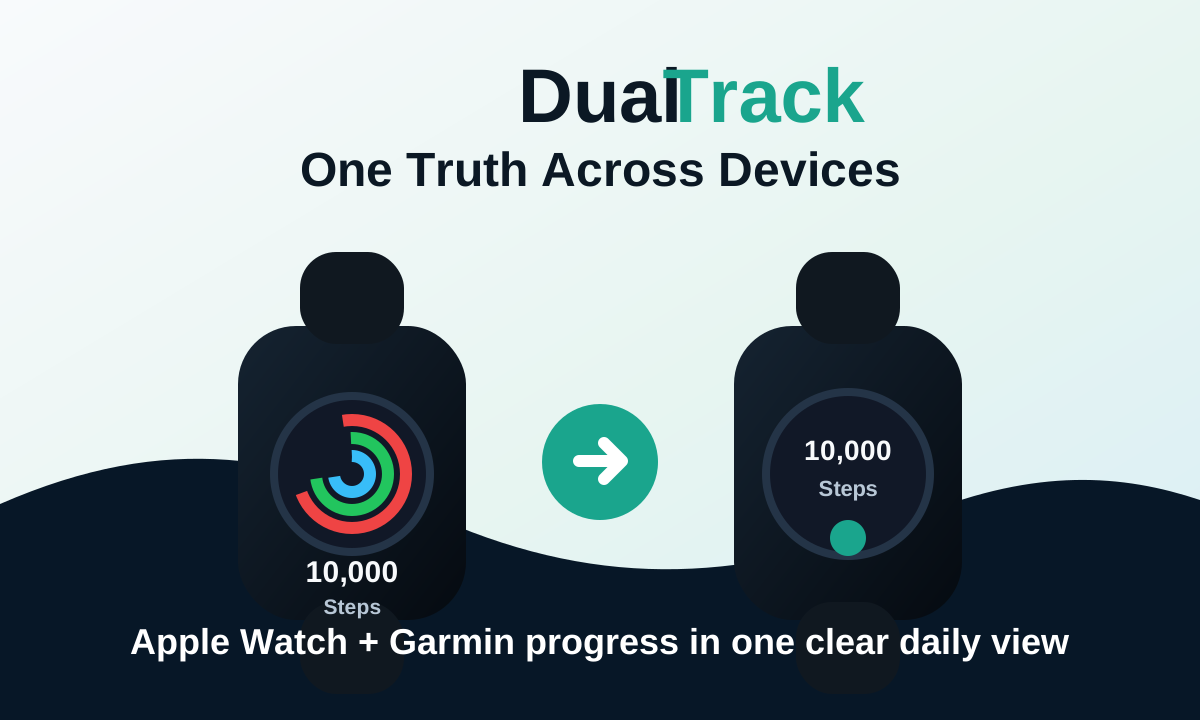
Life on the Gulf keeps you moving: walking the docks, loading the boat, chasing fish, working outside, and trying to stay healthy for the people who count on you. Dual Tracker helps Apple Watch and Garmin users see their steps, activity, and weight progress in one clear daily view. No more guessing which number is right. No more switching between apps and losing the bigger picture. Whether you are getting ready for a long day on the water, working toward better health, or simply trying to stay consistent for your family, DualTrack gives you the clarity to keep moving forward. Search Dual Tracker in the App Store and start tracking your real progress today.
Learn more →